
"Brazil coffee industry"
5000 article(s) found
Introduction of varieties with flavor and taste characteristics of Brazilian coffee manor with diversity
In terms of natural conditions, Brazil is in the tropics, with a tropical rain forest climate in the north, hot and humid all the year round, suitable for tropical crops, coffee trees are sunny crops, and sufficient sunlight is the condition for their growth. Historically, Brazil has been a Portuguese colony for a long time. In order to meet the needs of Western Europe, Brazilian coffee has been growing single crops for a long time and developing tropical plantations.
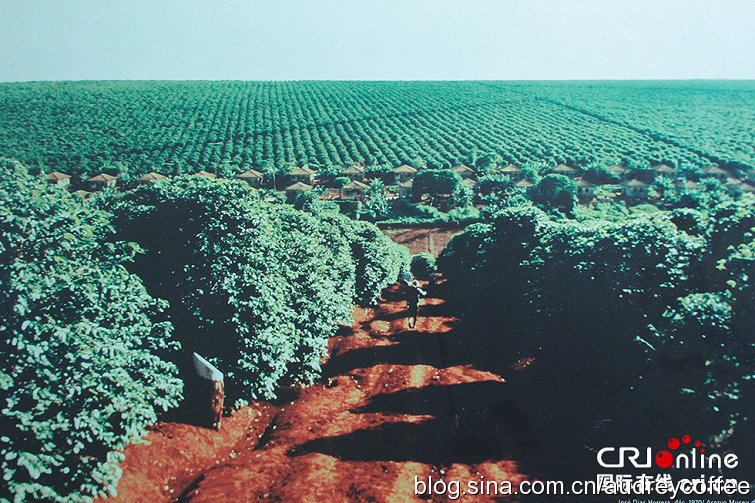
Take you to a coffee farm in Brazil to learn about coffee beans.
Brazil is the largest coffee producer and the second largest coffee consumer in the world. In Brazil, wherever you go, you can have coffee in the morning or at night. Unlike the Italian concentrate, or latte or cappuccino, as most of us know, what Brazilians like most is the kind of ordinary coffee in a small cup, which is hot and mellow. And you can't.

Coffee Information Coffee production in Brazil has fallen sharply. Yunnan Curry Farmers hoarding goods is bullish.
Recently, the news on Weibo that the global supply of coffee beans has shrunk sharply and coffee prices will rise all the way has attracted everyone's attention. Some netizens who usually like to drink coffee say they want to buy some coffee beans to store them, while others think that Yunnan farmers can finally get a higher annual income. According to the data, Brazil is the world's largest supplier of coffee beans with a 40% market share.

History of coffee bean growing areas in Brazil, a big coffee producing country in the world, the characteristics of Brazilian coffee beans taste
Professional coffee knowledge exchange more coffee bean information Please pay attention to Coffee Workshop (Wechat official account cafe_style) Coffee cafezinho is Brazil's favorite small cup of strong black coffee. In Brazil, buying you a cup of coffee is a habit and an important etiquette for hospitality, just like Chinese tea. Brazil is the largest coffee producer in the world and is known as the coffee kingdom.

Soft-scented Brazilian coffee flavor and taste introduce Brazilian boutique coffee Brazilian coffee brand
Brazil is vividly compared to the giant and monarch of the coffee world. There are about 3.97 billion coffee trees there, and small farmers now grow 75% of Brazil's total coffee production. The number of coffee producers in Brazil is twice or even three times that of Colombia, the second largest coffee producer in the world. Unlike in the past, Brazil's economy is less dependent on coffee.
Flavor and taste characteristics of Brazilian coffee beans introduction to the historical story of coffee yield, production time, variety classification
Following Cafe Review (Wechat public account vdailycom) found that Beautiful Cafe opened a small shop with Brazilian coffee beans. Brazilian coffee is mostly Arabica, and the main varieties are Brubon, Mudona, Calaba and Raoukejimi. The current situation of coffee has been naturally favoured and has been cultivated in new places inland, and the state of Banana was born in Brazil after the war.
What are the processing techniques for raw beans of Brazilian coffee?
Following Cafe Review (official Wechat account vdailycom) found that during the growing stage of coffee fruit, artificial picking and processing processes will bring unique taste to the coffee, as well as take away some of the unique flavor of the coffee. In my opinion, the processing technology of raw coffee beans is one of the key factors to determine the quality of coffee. If the workers are skilled enough
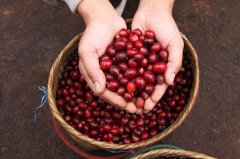
The top ten coffee producers in the world, Brazilian coffee, Ethiopian coffee, Honduran coffee, Guatemala
No. 1 Brazil is the world's top ten coffee producer Brazil is the world's largest coffee producer, 1/3 of the world's coffee is produced in Brazil, its main coffee variety is Arabica. Brazil has long been the number one coffee producer in the world. No. 2 Vietnam, the world's top ten coffee producer, is the second largest coffee producer in the world. More

Introduction to the overall soft and slightly sour coffee flavor of El Salvador Mercedes Manor
Formerly known as San Salvador, Bahia. An important natural deep-water port on the Atlantic coast of Brazil, the capital of Bahia state. It is located on the east bank of Todos (Santos) Bay. With a population of 3459377 (as of August 1, 2010), it is the eighth largest city in Brazil. The ancient city, one of the oldest cities in Brazil, was founded in 1549, and the first churches were built by Jesuit priests in 1549. Until 1763

Brazilian coffee flavor with low sour taste introduction to boutique coffee in manor area
Brazilian coffee generally refers to coffee produced in Brazil. There are many kinds of Brazilian coffee, and like other Arabica coffee, Brazilian coffee is called Brazils to distinguish it from Milds coffee. The vast majority of Brazilian coffee is unwashed and sun-dried and is classified according to the name of the state of origin and port of transport. Brazil has 21 states and 17 states produce coffee, but four of them produce the most coffee.

Brazilian Coffee production decreases & Central American Coffee lost harvest Arabica Coffee beans or further shortage
Professional coffee knowledge exchange more coffee bean information Please pay attention to Coffee Workshop (Wechat official account cafe_style) originally due to the drought in Brazil last year and the influence of this year's small coffee production cycle, the reduction in Arabica coffee bean production in Brazil in the 22nd production season has made the whole Arabica coffee industry in turmoil. Then the torrential rain in Colombia also threatened Arabica, Colombia.

How do you drink Brazilian coffee? The Brazilian way of handling coffee. Why doesn't Brazil use washing treatment?
Professional coffee knowledge exchange more coffee bean information Please pay attention to Coffee Workshop (Wechat official account cafe_style) as the world's largest coffee producer, Brazil has a world-leading coffee picking and processing technology, which of course has something to do with the level of mechanization and intensive production of the Brazilian coffee industry. Different from the picking methods of other countries, Brazilian coffee is picked first.

Introduction of Brazilian Coffee producing countries with a wide range of Coffee
Brazilian coffee generally refers to coffee produced in Brazil. There are many kinds of Brazilian coffee, and like other Arabica coffee, Brazilian coffee is called Brazils to distinguish it from Milds coffee. The vast majority of Brazilian coffee is unwashed and sun-dried and is classified according to the name of the state of origin and port of transport. Brazil has 21 states and 17 states produce coffee, but four of them produce the most coffee.

Brazilian bourbon coffee is characterized by Brazilian yellow bourbon coffee with a strong nutty flavor.
Professional barista exchanges please follow the coffee workshop (Wechat official account cafe_style) Brazil Bourbon / Bourbon Brazil coffee planting industry evolution is legendary, the output accounts for a large proportion of the world's total coffee bean production, Bourbon Brazil belongs to the Arabica Bourbon variety, is an ancient native variety of Brazil, using traditional drying and delicate treatment, so that it has
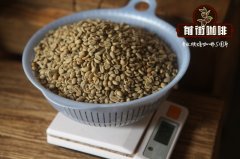
What are the flavor and taste characteristics of Brazilian coffee Santos coffee beans? Is the Brazilian coffee good?
Professional coffee knowledge exchange more coffee bean information please follow the coffee workshop (Wechat official account cafe_style) Brazilian coffee Santos coffee beans flavor and taste characteristics? Coffee beans-SANTOS, large, light green or yellowish beans, because local beans are mostly sun-treated, with brown cracks in the middle, and are almost always used for blending. Fragrance; fragrance

Brazilian coffee with low sour taste introduces boutique coffee beans such as flavor manor producing area
Including all coffee beans grown in Brazil, except for Santos, Brazilian beans are mostly cheap and good coffee. Can be used for mass production of comprehensive coffee beans, most of which are re-roasted. The main raw material of instant coffee is also Brazilian coffee beans. When the coffee bean germ is very fresh, it is artificially refined and naturally dried in the vulva for about 60-70 days, so that the sweetness of the pulp fully seeps into the bean.

Soft aroma of Brazilian fine coffee flavor taste Manor characteristics of the region Introduction to Brazilian coffee practices
Brazilian coffee refers to coffee produced in Brazil. There are many types of Brazilian coffee, and just like other Arabica coffees, Brazilian coffee is known as Brazilian coffee Brazils to distinguish it from Milds coffee. The vast majority of Brazilian coffee is unwashed and sun-dried, and is classified according to the state of origin and port of shipment. Brazil has 21 states, 17 of which produce coffee.

Introduction to the Flavor and Taste characteristics of Brazilian Coffee Manor
General K. Fonseka launched a coup on November 15, 1889, overthrowing the monarchy and establishing the United States of Brazil. Under the slogan of order and progress, and based on the presidential system to strengthen the modernization of Brazil, the new government has achieved good economic results in addition to producing 3/4 of the world's coffee. Later, under the panic of the world economy in the 1930s, the coffee economy suffered a deep pain.

Brazilian Coffee introduces how to drink Brazilian coffee? Characteristics of Brazilian Coffee
Professional coffee knowledge exchange more coffee bean information Please pay attention to coffee workshop (Wechat official account cafe_style) Coffee varieties, geographical and climatic environment, soil texture, planting technology, harvest, processing methods, just like the results from the land, will directly affect the quality of raw coffee beans. Brazil, the world's largest coffee producer, covers both commercial and boutique grades

Flavor description of South Minas Coffee Bean in Brazil
Flavor description of South Minas Coffee beans in Brazil since the introduction of coffee trees from French Guiana (Guyana) in 1720, coffee production has gradually become a science. Before 1990, the Brazilian government carried out strict monitoring of the coffee industry, with both strict intervention and price protection measures, and the state has been implementing minimum price protection measures for farmers, resulting in